Quick Ans: The main difference between paperback or hardcover books is durability, design, and price. Hardcover books use rigid protective covers and usually last longer, while paperback books use flexible paper covers and are lighter, cheaper, and easier to carry. Both formats offer the same content, but the reading experience and long term value can differ greatly.
Many readers compare paperback or hardcover before buying a book. Both formats contain the same story or information. However, the feel, price, weight, and durability are very different.
Some readers love hardcover books because they look premium and last for years. Others prefer paperback editions because they are affordable and portable. As a result, choosing between the two often depends on reading habits and budget.
The confusion usually happens when buyers see the same book available in both versions. One costs more. The other feels lighter. Some people wonder if the hardcover is worth the extra money. Meanwhile, others want to know if paperback books wear out too quickly.
Understanding the difference between paperback or hardcover helps readers make smarter buying decisions. It also helps students, collectors, and casual readers choose the best format for their needs.
This complete guide explains everything clearly. You will learn definitions, advantages, disadvantages, comparisons, real world examples, and common mistakes.
Quick Answer: Paperback or Hardcover
The easiest way to understand paperback or hardcover is by comparing cover type and durability.
| Feature | Paperback | Hardcover |
|---|---|---|
| Cover Material | Flexible paper cover | Rigid protective cover |
| Weight | Lightweight | Heavier |
| Durability | Moderate | High |
| Price | Lower | Higher |
| Portability | Easy to carry | Less portable |
| Appearance | Simple | Premium |
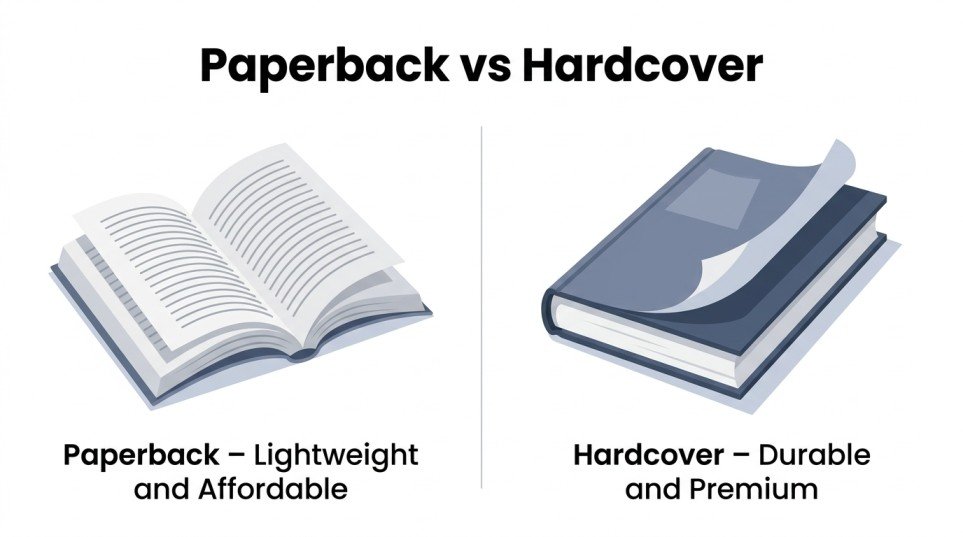
In simple terms, paperback books are lighter and cheaper, while hardcover books are stronger and more durable.
What Is a Paperback Book?
A paperback book uses a soft and flexible paper cover instead of a rigid outer shell. Publishers often release paperback editions after hardcover versions.
Paperback books are popular because they are:
- Affordable
- Lightweight
- Easy to transport
- Comfortable for casual reading
Most paperback books use glue binding rather than stitched binding.
Types of Paperback Books
There are several paperback styles.
Common examples include:
- Mass market paperback
- Trade paperback
- Educational paperback
- Pocket paperback
Mass market versions are smaller and cheaper. Trade paperbacks are usually larger and printed on higher quality paper.
Common Uses of Paperback Books
Readers often choose paperback books for:
- Travel reading
- School use
- Casual reading
- Everyday carrying
Because they weigh less, paperbacks are convenient for commuters and students.
How Paperback Books Are Made
The process usually includes:
- Printing pages
- Cutting and arranging sheets
- Gluing pages together
- Attaching soft paper cover
- Trimming edges evenly
This method keeps production costs lower.
What Is a Hardcover Book?
A hardcover book uses a rigid protective cover made from thick cardboard wrapped in cloth, paper, or leather like material.
Hardcover editions are often released first because publishers market them as premium versions.
Typical Hardcover Features
Most hardcover books include:
- Strong protective cover
- Better binding quality
- Dust jacket
- Higher quality paper
- Longer lifespan
Because of their construction, hardcover books resist bending and damage better than paperbacks.
Common Uses of Hardcover Books
People often buy hardcover books for:
- Book collections
- Libraries
- Gifts
- Long term storage
- Decorative shelves
Collectors especially value hardcover editions because they maintain condition over time.
How Hardcover Books Are Made
Hardcover production involves several steps:
- Printing pages
- Stitching or gluing signatures
- Creating rigid cover boards
- Wrapping boards with protective material
- Attaching pages securely
This process increases durability but also raises manufacturing costs.
Key Differences Between Paperback or Hardcover
Cover Strength
The biggest difference in paperback or hardcover is cover durability. Paperback covers bend easily. Hardcover books protect pages with rigid boards.
Weight
Paperback books are lighter and easier to carry. Hardcover editions feel heavier because of thicker materials.
Price
Paperback books usually cost less. Hardcover books often cost more because of higher production quality.
Reading Experience
Some readers enjoy hardcover books because they feel premium and stable. Others prefer paperbacks because they are flexible and easier to hold.
Longevity
Hardcover books generally last longer. Paperbacks may crease, bend, or tear with heavy use.
Advantages and Disadvantages
Paperback Advantages
Paperback books offer many benefits:
- Lower price
- Lightweight design
- Easier portability
- Comfortable for travel
Disadvantages of Paperback
However, some drawbacks exist:
- Less durable
- Covers bend easily
- Pages may yellow faster
- Binding weakens over time
Advantages of Hardcover
Hardcover books provide several strengths:
- Strong durability
- Premium appearance
- Better protection for pages
- Excellent for collectors
Disadvantages of Hardcover
Some limitations also exist:
- Higher cost
- Heavier weight
- Less convenient for travel
- Requires more storage space
Therefore, the best choice in paperback or hardcover depends on personal needs.
Real World Examples
Students
Many students prefer paperback textbooks because they are lighter and cheaper. Carrying several hardcover books every day can feel exhausting.
Book Collectors
Collectors usually buy hardcover editions. These versions maintain value and appearance better over time.
Travelers
Paperback books work well during travel because they fit easily into bags.
Libraries
Libraries often choose hardcover books because they survive repeated borrowing and handling.
These examples show how different readers benefit from different formats.
Regional and Global Usage
Educational Markets
Schools and universities often use paperback editions because they reduce costs for students.
Publishing Industry
Publishers commonly release hardcover books first. Later, paperback versions appear at lower prices.
International Reading Trends
Around the world, paperbacks dominate casual reading markets due to affordability. Meanwhile, hardcover books remain popular among collectors and libraries.
As a result, the paperback or hardcover decision often reflects both budget and reading habits.
Related Concepts and Comparisons
Paperback vs Ebook
Ebooks are digital and require electronic devices. Paperback books provide a physical reading experience.
Hardcover vs Special Edition
Special editions may include premium artwork, signed pages, or decorative covers beyond normal hardcover quality.
Paperback or Hardcover vs Audiobook
Audiobooks allow listening instead of reading. Physical books, however, provide a traditional reading experience.
Paperback vs Hardcover Comparison Table
| Feature | Paperback | Hardcover |
|---|---|---|
| Flexibility | High | Low |
| Durability | Moderate | High |
| Cost | Lower | Higher |
| Shelf Appearance | Simple | Premium |
| Portability | Excellent | Moderate |
This comparison helps readers understand the practical differences clearly.
Common Mistakes About Paperback or Hardcover
Assuming Hardcover Means Better Content
The story or information stays the same. Only the physical format changes.
Ignoring Portability
Some readers buy large hardcover books for travel and later regret the extra weight.
Choosing Only Based on Price
Lower price does not always mean better value. Frequent readers may benefit from hardcover durability.
Storing Books Incorrectly
Poor storage damages both formats. Heat, moisture, and sunlight can ruin pages and covers.
Avoiding these mistakes helps books last longer.
Beginner to Advanced Buying Tips
Beginner Level
Start with paperback books if you want affordable reading options.
Intermediate Level
Buy hardcover editions for favorite authors or long term collections.
Advanced Level
Collectors may look for:
- First editions
- Signed copies
- Limited hardcover releases
- Archival quality storage
These choices increase both sentimental and collector value.
Step By Step Buying Scenario
Imagine you want to buy a new novel.
If you choose paperback:
- Spend less money
- Carry the book easily
- Read comfortably during travel
- Accept moderate durability
If you choose hardcover:
- Pay higher price
- Receive stronger protection
- Enjoy premium appearance
- Store the book long term
Both options provide the same content, but the experience differs significantly.
Exercises With Answers
Exercise 1
Which format is usually more durable in the paperback or hardcover comparison?
Answer: Hardcover.
Exercise 2
Which format is lighter and easier to carry?
Answer: Paperback.
Exercise 3
Which format often costs more?
Answer: Hardcover.
Exercise 4
Which format commonly includes dust jackets?
Answer: Hardcover.
Exercise 5
True or False: Paperback books always contain different content from hardcover books.
Answer: False.
When Should You Choose Paperback or Hardcover?
Choose paperback if you:
- Want lower prices
- Travel frequently
- Prefer lightweight books
- Read casually
Choose hardcover if you:
- Collect books
- Want long term durability
- Prefer premium appearance
- Need books for libraries or display
Reading habits and budget usually determine the best choice.
FAQs About Paperback or Hardcover
What is the main difference between paperback or hardcover?
The main difference is cover type and durability. Paperback books use flexible covers, while hardcover books use rigid protective covers.
Are hardcover books better than paperback books?
Hardcover books are more durable, but paperback books are lighter and cheaper. The better choice depends on personal preference.
Why are hardcover books more expensive?
Hardcover books cost more because they use stronger materials, better binding, and more complex production methods.
Do paperback and hardcover books contain the same content?
Yes. Most editions contain the same story or information unless revised by the publisher.
Which lasts longer, paperback or hardcover?
Hardcover books generally last longer because they resist bending and damage better.
Are paperback books good for travel?
Yes. Paperback books are lightweight and easy to carry during travel.
Why do publishers release hardcover first?
Publishers often release hardcover editions first because they generate higher early sales revenue.
Can paperback books become collectible?
Yes. Rare paperback editions can become valuable, especially first prints.
Do hardcover books increase shelf appeal?
Yes. Hardcover books often look more elegant and organized on shelves.
Which is better for students, paperback or hardcover?
Students usually prefer paperback editions because they are cheaper and easier to carry.
Conclusion
Understanding paperback or hardcover helps readers choose the right book format for their lifestyle and budget. Although both contain the same content, the physical experience differs greatly.
Paperback books are lightweight, affordable, and convenient for travel or casual reading. They work especially well for students and everyday readers.
Hardcover books, however, offer greater durability and a premium appearance. Collectors, libraries, and long term readers often prefer them because they last longer and protect pages better.
The best option depends on how you plan to use the book. Casual readers may enjoy the convenience of paperbacks. Serious collectors may appreciate the durability and visual appeal of hardcover editions.
By understanding the strengths and weaknesses of each format, you can confidently decide whether paperback or hardcover suits your reading needs best.
Discover More:-
- Counseling or Counselling: Differences, Meaning, and Correct Usage Guide
- Cumming or Cuming: Correct Spelling, Meaning, and Usage Explained

Jennifer Collins is a professional grammar expert and language educator at gramtivo.com, specializing in English grammar, writing skills, and language improvement. She holds a Master’s degree in English Language and Literature from a recognized university in the United States. With years of teaching and content development experience, she is dedicated to helping learners improve their communication skills with clear and practical guidance.